
Accounts · 11 min read · Reviewed October 2026
Retirement Options Beyond a 401(k) and IRA: What Should You Consider?
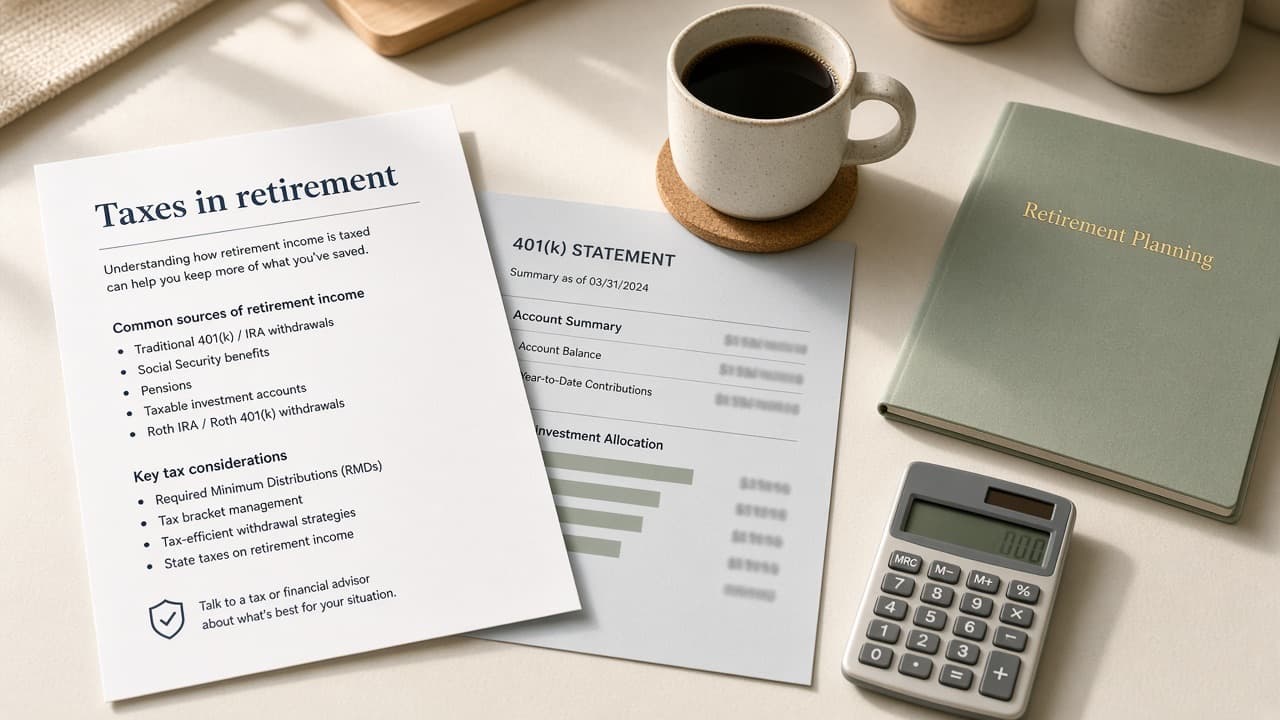
A 401(k) and an Individual Retirement Account (IRA) are common starting points for retirement savings, but they are not the only choices available. Depending on your income, employment, financial goals, and retirement timeline, other accounts and financial products may help you build a more flexible strategy.
Exploring different retirement planning options is not about opening every account you can find. It is about understanding how different tools work, what they cost, and whether they support the retirement lifestyle you want.
Why Consider Options Beyond a 401(k) and IRA?
Traditional retirement accounts have contribution limits, eligibility requirements, tax rules, and withdrawal restrictions. A workplace 401(k), for example, may offer an employer match, while an IRA can provide additional savings opportunities.
However, some people want more flexibility, different tax treatment, or additional ways to prepare for healthcare and retirement income. Exploring other retirement plan solutions can help identify gaps in your existing approach.
The right strategy should begin with your goals, not a financial product.
1. Roth IRAs and Roth 401(k)s
Roth accounts use after-tax contributions. Qualified withdrawals can be tax-free when IRS requirements are satisfied. This may be useful for someone who wants to build a source of retirement income that is not generally taxed when distributed under qualified rules.
Roth accounts have eligibility and contribution rules. A Roth IRA, for example, has income-related contribution restrictions, while workplace Roth 401(k) participation follows plan rules.
The IRS explains Roth IRA requirements in its official IRA guidance.
2. Health Savings Accounts
A Health Savings Account (HSA) may be available to people enrolled in an eligible high-deductible health plan. It can offer tax advantages for qualified medical expenses.
Some account holders use HSA funds for current healthcare costs, while others save the money for future eligible expenses. HSAs are not a general-purpose replacement for retirement accounts, and eligibility and withdrawal rules matter.
Healthcare can represent a significant retirement expense, so an HSA may complement a broader savings strategy.
3. Taxable Brokerage Accounts
Frequently asked questions
This article is for education only and isn’t tax, legal or investment advice. Talk with a licensed agent and a tax professional about your own situation.